Six primary areas covered in depth, each supported by documented research, field observations, and practical frameworks applicable to daily life in urban Indonesia.
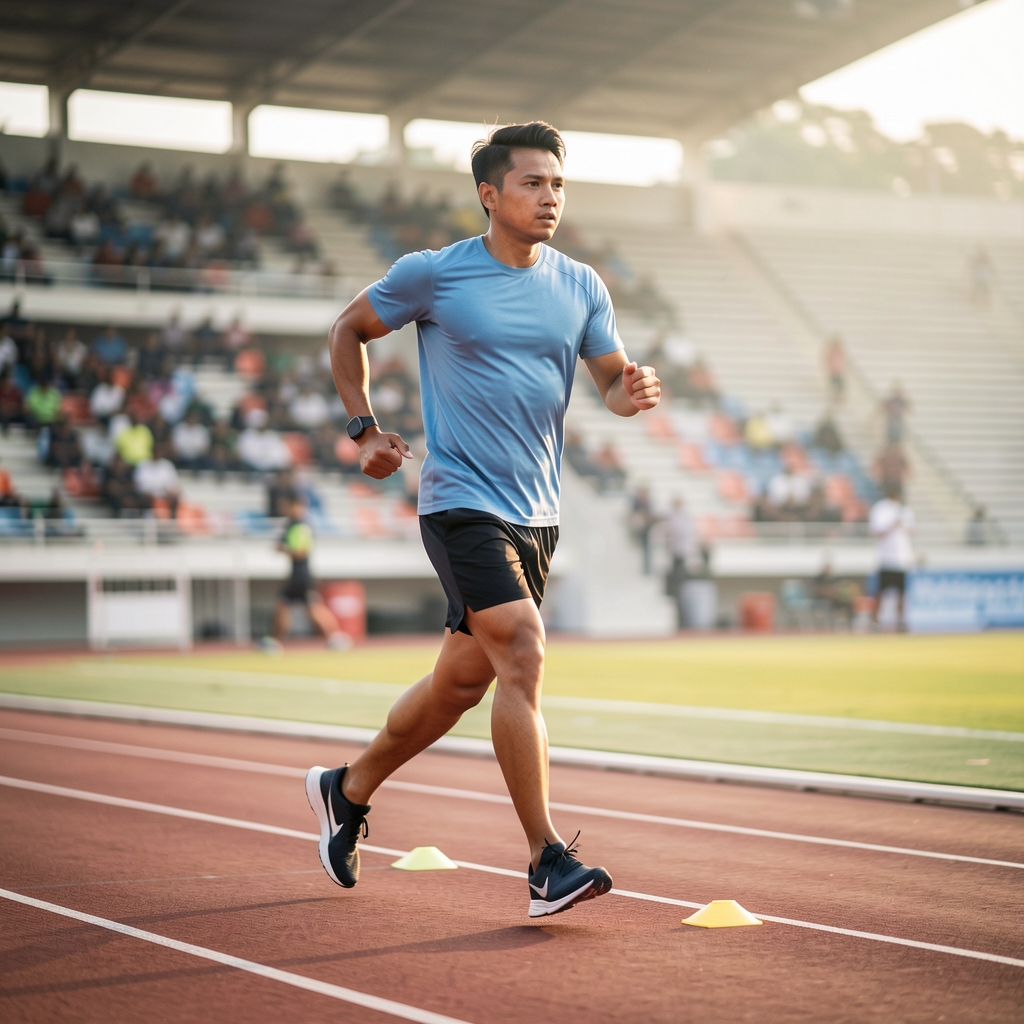
Karedon's strength coverage is grounded in the principle that resistance training exists on a spectrum — from bodyweight movement to loaded barbells — and that the most effective approach for any individual depends on their starting point, schedule, and goals.
The journal documents programmes built around progressive overload, periodised structure, and body composition awareness. No single modality is presented as superior. The documentation covers results observed across free weights, resistance bands, calisthenics, and machine-based work.
A recurring theme in this area is the relationship between strength volume and recovery capacity. Jakarta's climate demands specific attention to hydration and rest between sessions, and the journal's observations on this are among its most referenced entries.

Consistent three-session weekly loading with 72-hour inter-session recovery produced the most stable strength progression across a 16-week observation window.
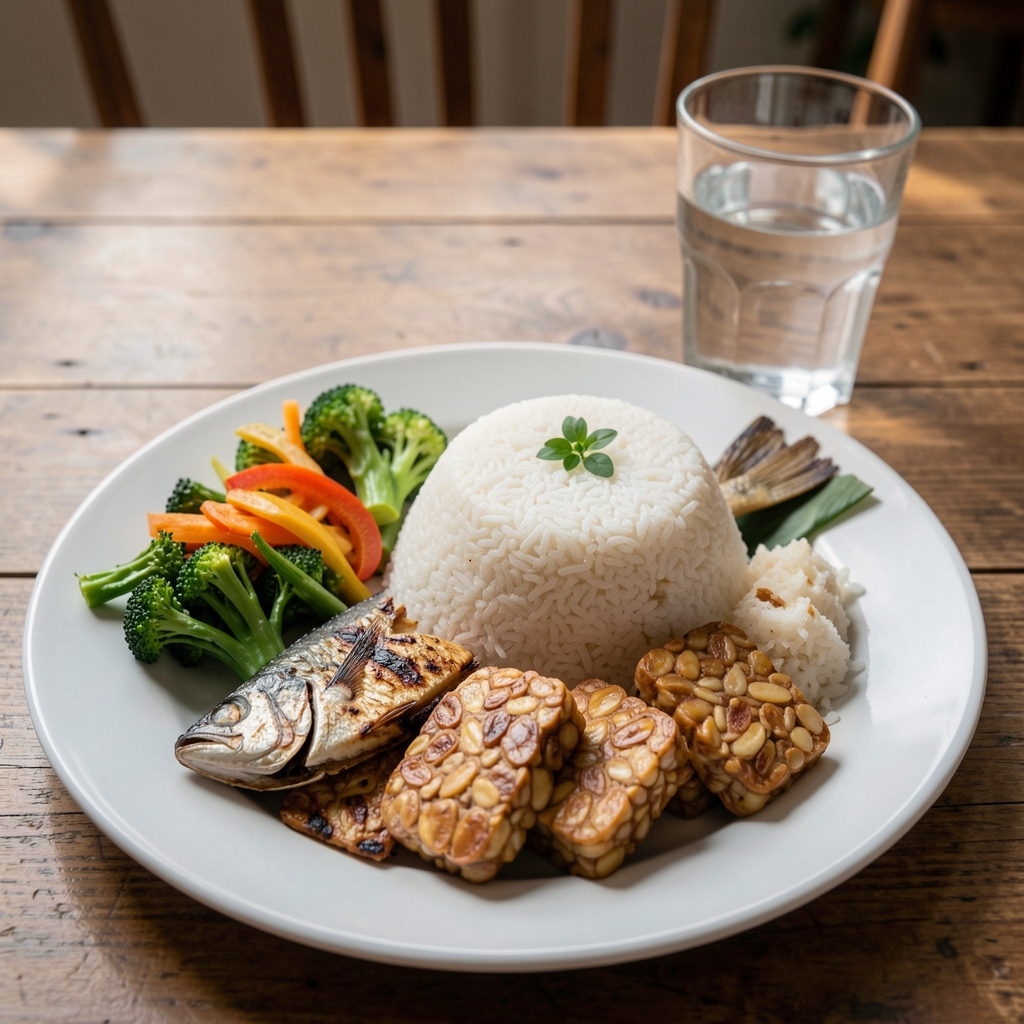
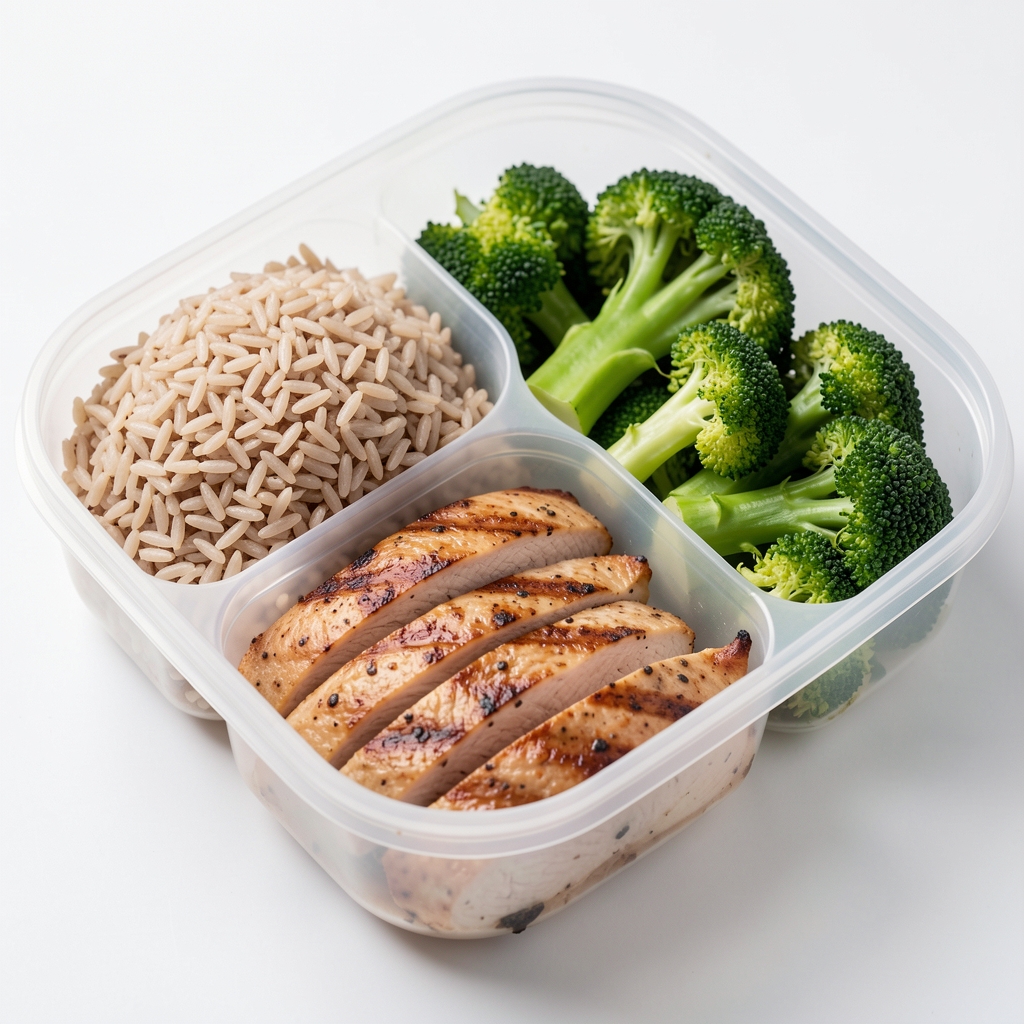
Karedon's nutrition coverage operates from the premise that the most effective eating framework for a working man in Jakarta is one that works with the local food environment, not against it. Indonesian whole foods — tempeh, ikan, sayuran, legumes — are under-referenced in global wellness content and over-effective in practice.
The journal covers balanced plate composition, hydration habits in a tropical climate, mindful eating approaches, and the structural role of meal timing in relation to training and work schedules.
Guidance is evidence-informed and draws on peer-reviewed nutritional research. Ingredient profiles referenced in the journal are selected based on published nutritional research and undergo independent batch verification for quality and labelling accuracy.
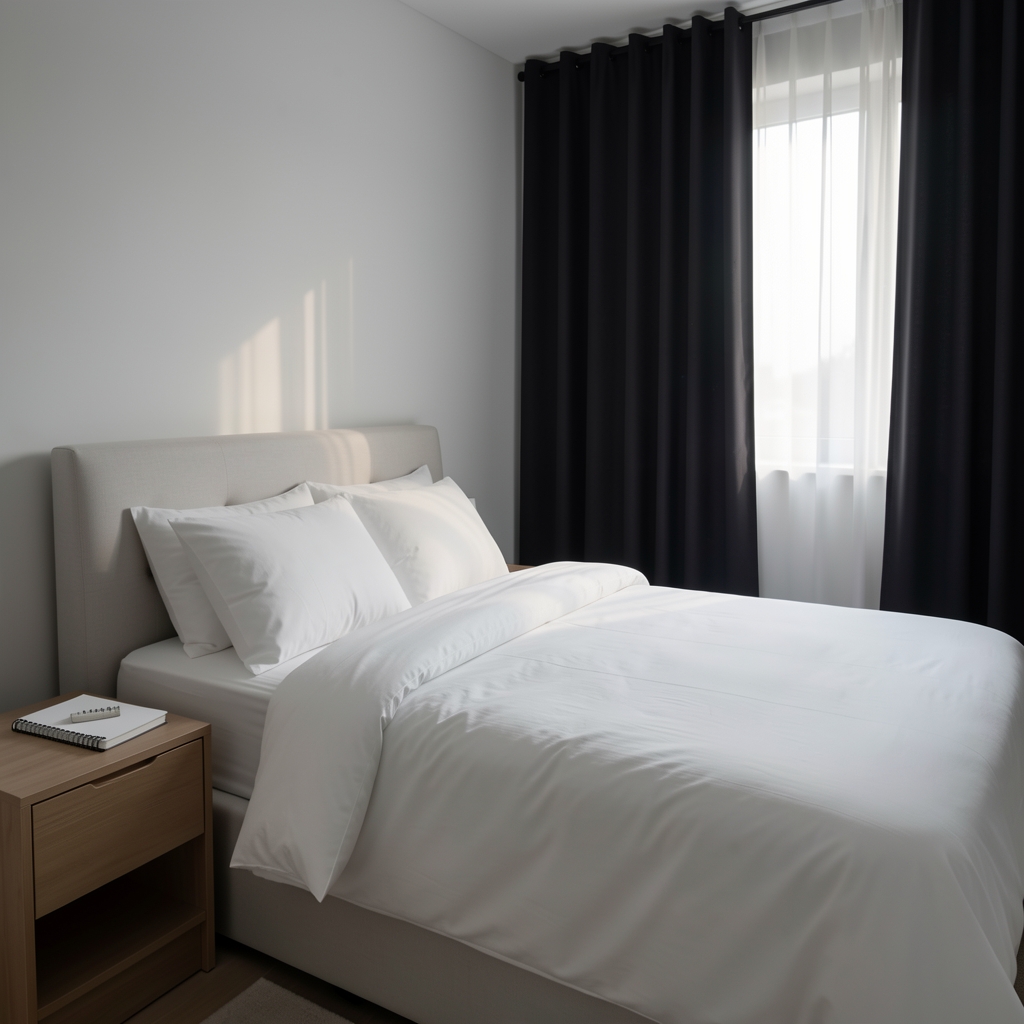
Sleep quality improvement is consistently among the most impactful changes a man can make to how he functions. Karedon approaches this through the lens of sleep architecture — the stages of rest, their duration, and the environmental conditions that affect them.
Jakarta presents specific challenges to sleep quality: noise levels, ambient temperature, and the compressed social rhythms of a major city. The journal documents practical approaches to managing these conditions, including cooling protocols, pre-sleep wind-down structures, and the effect of late-day nutrition on sleep depth.
The active recovery window — the period of low-intensity movement the day after high-effort training — is also covered in depth. Observations link structured recovery activity to improved next-session output across a twelve-week tracking period.
Karedon covers stress management through a practical, non-prescriptive framework. The journal does not advocate for a single method. Breathwork, structured downtime, nature exposure, and deliberate disconnection from digital input are all documented in the log as tools with measurable effects on sustained daily focus.
The relationship between stress load and nutritional choices is a recurring observation: periods of high work pressure tend to correlate with reduced meal structure and increased reliance on convenience options. The journal tracks this pattern and documents countermeasures that have shown stability across multiple observation cycles.
Progress tracking across this area uses a daily energy and focus rating system developed internally. It is qualitative but consistent, and it has proven to be a useful leading indicator of training readiness.
Grooming coverage at Karedon is regarded as a practical discipline — the same way training is regarded. The question is not which products are fashionable, but which routines produce reliable results over time, within the specific conditions of urban Jakarta.
High humidity, UV exposure, and the demands of professional appearance are the three variables that shape all grooming guidance here. Skincare basics are covered with attention to tropical-climate needs: SPF use, oil management, and post-exercise skin care protocols.
The journal also covers wardrobe planning for men in professional Jakarta contexts, seasonal style adaptation, and the basic personal care routines that function as a consistent signal of personal discipline regardless of external circumstance.
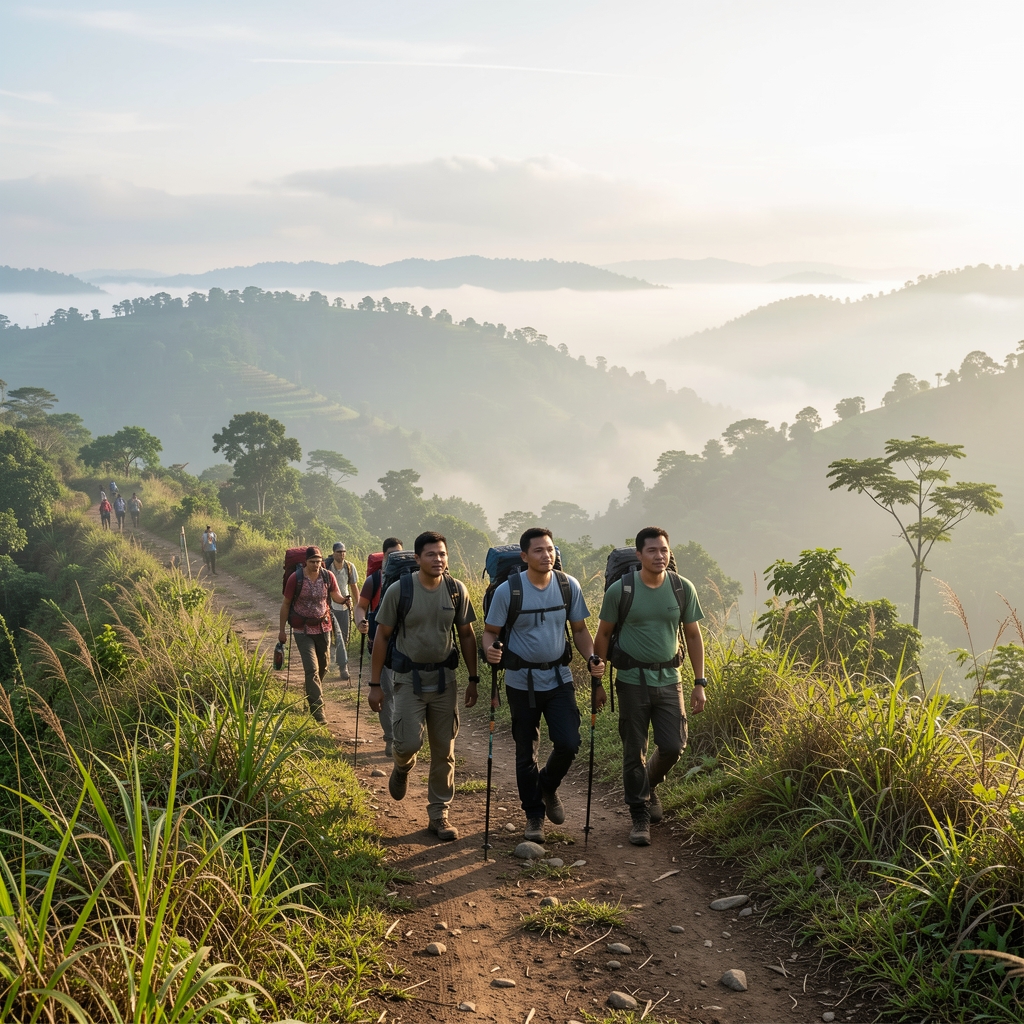
The weekend outdoor fitness section of the journal is among its most-read. The premise is direct: Jakarta is a demanding city during the work week, and deliberate outdoor movement at the weekend serves a dual function — physical conditioning and environmental decompression.
The journal documents trail runs, hiking routes accessible from Jakarta in under two hours, cycling itineraries, and open-water swimming records. Routes are assessed for terrain variability, elevation, and practical access by public transport or private vehicle.
Observations from this area consistently show that two days of outdoor movement per month produce measurable improvements in mid-week energy levels and sleep quality scores. The journal has documented this pattern across four consecutive quarters of tracking.
The six coverage areas are not isolated disciplines. They interact. Poor sleep undermines strength gains. Inconsistent nutrition destabilises energy. Outdoor movement reinforces grooming routines by providing natural light exposure and a baseline physical confidence.
Karedon's methodology page describes how the journal approaches these interdependencies — and how the editorial framework ensures that recommendations in one area do not contradict the guidance offered in another.